
Vitamins & Minerals
Guides and comparisons Multivitamins: how to compare daily vitamin & mineral formulas
All 887 products
Showing 1–12 of 887 results
-

NOW Foods 100% Pure Magnesium Flakes - 750 grams
€16.25 €21.67 / kg Add to cart -

Carlson Labs ACES + Zn - 60 softgels
€22.99 €0.38 / pc Add to cart -

Swanson Activated B-Complex - 60 vcaps
€21.99 €0.37 / pc Add to cart -

NOW Foods ADAM Multi-Vitamin for Men - 120 tablets
€49.99 €0.42 / pc Add to cart -

NOW Foods ADAM Multi-Vitamin for Men - 90 vcaps
€25.99 €0.29 / pc Add to cart -
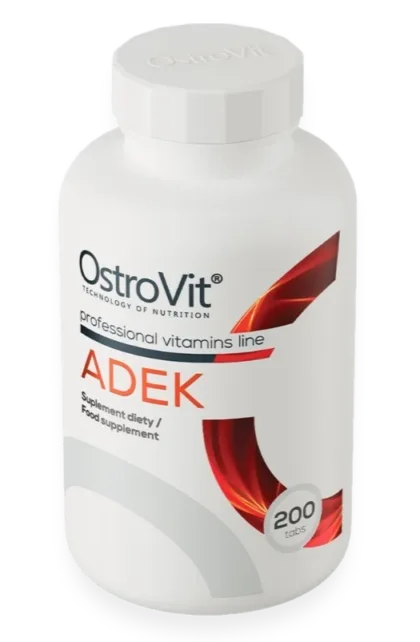
OstroVit ADEK - 200 tablets
€9.99 €175.26 / kg Add to cart -

Swanson Albion Boron Glycine, 6mg - 60 caps
€5.99 €0.100 / pc Add to cart -

Swanson Albion Calcium & Magnesium - 60 caps
€12.99 €0.22 / pc Add to cart -

Swanson Albion Calcium, 180mg - 180 caps
€28.99 €0.16 / pc Add to cart -

Swanson Albion Copper, 2mg - 300 tablets
€10.99 €0.037 / pc Add to cart -

Swanson Albion Copper, 2mg - 60 caps
€4.99 €0.083 / pc Add to cart -

Swanson Albion Ferrochel Iron, 18mg - 180 caps
€11.99 €249.79 / kg Add to cart
Multivitamins, single vitamins and single minerals as capsules, tablets, softgels, gummies, chewables, powders, drops and oral sprays. Multi Vitamins holds formulas with many nutrients in one daily serving, Single Vitamins holds products such as vitamin C, vitamin D, B12 and B-complex, and Single Minerals holds calcium, magnesium, zinc, iron, selenium and others. Compare the amount of each nutrient per daily serving with its percentage of the nutrient reference value (NRV), and for minerals check the compound named in the ingredient list, such as citrate or glycinate.
Frequently asked questions
What is the difference between a multivitamin and a single-nutrient product?
A multivitamin combines several vitamins, and often minerals, in one daily serving, and its label lists every nutrient with the amount and % NRV. A single-nutrient product contains one vitamin or mineral, sometimes with a partner nutrient, so the strength per unit is the main figure to compare. The nutrition table, not the product name, shows what a pack contains.
What do citrate, glycinate and chelated mean on a mineral label?
They name the form in which a mineral is bound: to citric acid (citrate), to the amino acid glycine (glycinate) or to an amino acid in a chelate. The ingredient list names the form, and the nutrition table states the amount of the mineral itself per serving, which is the figure to compare between products. A label that says elemental gives the amount of the mineral rather than of the compound.
How do I compare drops, sprays and powders with tablets?
Use the serving line. For tablets it is a number of tablets, for drops or sprays a number of drops, sprays or millilitres, and for powders a scoop or teaspoon given in grams. Compare the nutrient amount and % NRV in that serving, then divide the pack contents by the serving to see how many servings a pack holds.