
Vitamins & Minerals
Guides and comparisons Multivitamins: how to compare daily vitamin & mineral formulas
Showing 37–48 of 898 results
-

OstroVit Beta Carotene Plus - 120 caps
€11.99 €249.79 / kg Add to cart -

Swanson Beta-Carotene (Vitamin A), 10 000 IU - 100 softgels
€5.99 €285.24 / kg Add to cart -

Swanson Beta-Carotene (Vitamin A), 10 000 IU - 250 softgels
€12.99 €254.71 / kg Add to cart -

Life Extension Bio-Active Complete B-Complex - 60 vcaps
€14.99 €0.25 / pc Add to cart -

Applied Nutrition Black Stak - 30 packs
€44.99 Add to cart -
2 flavours
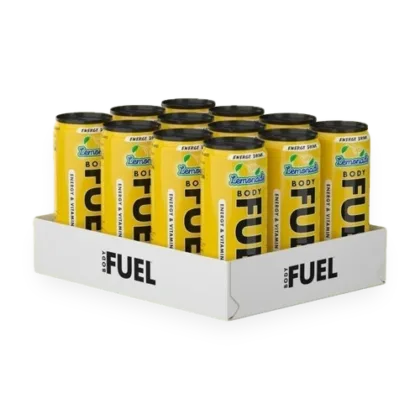
Applied Nutrition Bodyfuel Energy Cans - 12 x 330 ml.
€18.99 €4.80 / l Add to cart -
3 flavours
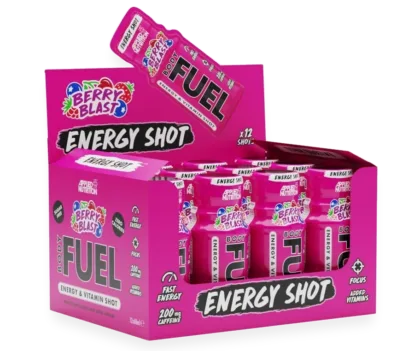
Applied Nutrition Bodyfuel Energy Shots - 12 x 60 ml.
€17.99 €24.99 / l Add to cart -

Apollo's Hegemony Boron Tabs - 120 tablets
€11.99 €0.100 / pc Add to cart -

Osavi Boron, 3mg - 120 vegan caps
€7.99 €202.79 / kg Add to cart -

Osavi Boron, 3mg - 60 vegan caps
€5.99 €304.06 / kg Add to cart -

Doctor's Best Brain Magnesium with Magtein, 150mg - 90 vcaps
€62.99 €0.70 / pc Add to cart -

HPN Buffered Vitamin C - 120 caps
€20.99 €0.17 / pc Add to cart
Frequently asked questions
What is the difference between a multivitamin and a single-nutrient product?
A multivitamin combines several vitamins, and often minerals, in one daily serving, and its label lists every nutrient with the amount and % NRV. A single-nutrient product contains one vitamin or mineral, sometimes with a partner nutrient, so the strength per unit is the main figure to compare. The nutrition table, not the product name, shows what a pack contains.
What do citrate, glycinate and chelated mean on a mineral label?
They name the form in which a mineral is bound: to citric acid (citrate), to the amino acid glycine (glycinate) or to an amino acid in a chelate. The ingredient list names the form, and the nutrition table states the amount of the mineral itself per serving, which is the figure to compare between products. A label that says elemental gives the amount of the mineral rather than of the compound.
How do I compare drops, sprays and powders with tablets?
Use the serving line. For tablets it is a number of tablets, for drops or sprays a number of drops, sprays or millilitres, and for powders a scoop or teaspoon given in grams. Compare the nutrient amount and % NRV in that serving, then divide the pack contents by the serving to see how many servings a pack holds.