
Vitamins & Minerals
Guides and comparisons Multivitamins: how to compare daily vitamin & mineral formulas
Showing 733–744 of 899 results
-

Doctor Life K & D Mega - 60 caps
€15.99 €0.27 / pc Read more -

OstroVit Kissel, Wild Strawberry - 200 grams
€6.99 €34.95 / kg Read more -

Essensey L-Arginine, 500mg - 90 caps
€8.99 €0.100 / pc Read more -

Swanson Liquid Calcium & Magnesium - 100 softgels
€16.99 €0.17 / pc Read more -

NOW Foods Liquid Iron - 237 ml.
€21.99 €92.78 / l Read more -
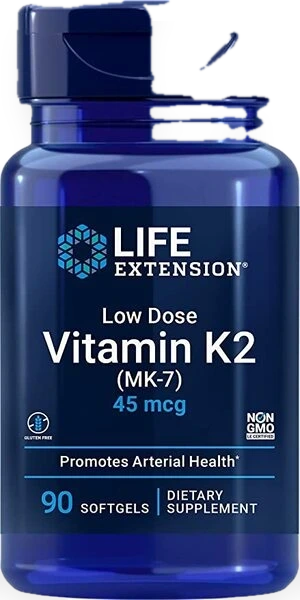
Life Extension Low Dose Vitamin K2 (MK-7), 45mcg - 90 softgels
€17.99 €0.20 / pc Read more -

Allnutrition MAG B6, 670mg - 30 caps
€4.99 €0.17 / pc Read more -

Trec Nutrition MAGNE-100 Sport - 60 caps
€6.99 €0.12 / pc Read more -

Essensey Magnesium + B6 - 90 caps
€5.99 €0.067 / pc Read more -

Essensey Magnesium + Zinc + B6 - 120 caps
€8.99 €0.075 / pc Read more -

Apollo's Hegemony Magnesium Balance - 180 vcaps
€20.99 €0.12 / pc Read more -

INLEAD Nutrition Magnesium Bisglycinate - 120 vcaps
€10.99 €0.092 / pc Read more
Frequently asked questions
What is the difference between a multivitamin and a single-nutrient product?
A multivitamin combines several vitamins, and often minerals, in one daily serving, and its label lists every nutrient with the amount and % NRV. A single-nutrient product contains one vitamin or mineral, sometimes with a partner nutrient, so the strength per unit is the main figure to compare. The nutrition table, not the product name, shows what a pack contains.
What do citrate, glycinate and chelated mean on a mineral label?
They name the form in which a mineral is bound: to citric acid (citrate), to the amino acid glycine (glycinate) or to an amino acid in a chelate. The ingredient list names the form, and the nutrition table states the amount of the mineral itself per serving, which is the figure to compare between products. A label that says elemental gives the amount of the mineral rather than of the compound.
How do I compare drops, sprays and powders with tablets?
Use the serving line. For tablets it is a number of tablets, for drops or sprays a number of drops, sprays or millilitres, and for powders a scoop or teaspoon given in grams. Compare the nutrient amount and % NRV in that serving, then divide the pack contents by the serving to see how many servings a pack holds.