
Vitamins & Minerals
Guides and comparisons Multivitamins: how to compare daily vitamin & mineral formulas
Showing 421–432 of 899 results
-

Weider Premium Performance Stack - 180 caps
€39.99 €0.22 / pc Add to cart -

Nordic Naturals Prenatal Multivitamin - 60 tablets
€54.99 €0.92 / pc Add to cart -

Allnutrition Pro Series Promulti+, Multivitamin - 300 grams
€23.99 €79.97 / kg Add to cart -

Doctor's Best Pure Vitamin C Powder with Quali-C - 250 grams
€31.99 €127.96 / kg Add to cart -

Life Extension Pyridoxal 5'-Phosphate Caps, 100mg - 60 vcaps
€21.99 €0.37 / pc Add to cart -

NOW Foods Red Mineral Algae - 180 vcaps
€23.99 €0.13 / pc Add to cart -

Swanson Riboflavin Vitamin B-2, 100mg - 100 caps
€10.99 €0.11 / pc Add to cart -
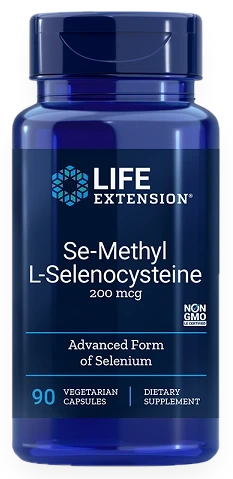
Life Extension Se-Methyl L-Selenocysteine, 200mcg - 90 vcaps
€10.99 €0.12 / pc Add to cart -
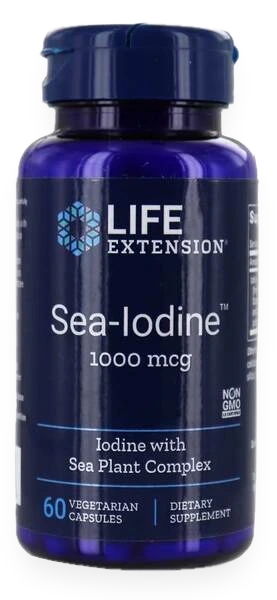
Life Extension Sea Iodine, 1000mcg - 60 vcaps
€8.99 €0.15 / pc Add to cart -

Applied Nutrition Sea Moss & Vitamin B12 - 120 caps
€24.99 €0.21 / pc Add to cart -

Holland & Barrett Selenium + Zinc & Vitamins A,C & E - 120 tablets
€7.99 €0.067 / pc Add to cart -

NOW Foods Selenium, 100mcg - 100 tablets
€7.99 €0.080 / pc Add to cart
Frequently asked questions
What is the difference between a multivitamin and a single-nutrient product?
A multivitamin combines several vitamins, and often minerals, in one daily serving, and its label lists every nutrient with the amount and % NRV. A single-nutrient product contains one vitamin or mineral, sometimes with a partner nutrient, so the strength per unit is the main figure to compare. The nutrition table, not the product name, shows what a pack contains.
What do citrate, glycinate and chelated mean on a mineral label?
They name the form in which a mineral is bound: to citric acid (citrate), to the amino acid glycine (glycinate) or to an amino acid in a chelate. The ingredient list names the form, and the nutrition table states the amount of the mineral itself per serving, which is the figure to compare between products. A label that says elemental gives the amount of the mineral rather than of the compound.
How do I compare drops, sprays and powders with tablets?
Use the serving line. For tablets it is a number of tablets, for drops or sprays a number of drops, sprays or millilitres, and for powders a scoop or teaspoon given in grams. Compare the nutrient amount and % NRV in that serving, then divide the pack contents by the serving to see how many servings a pack holds.